Chapter 3 of 4
Friendships become automatic
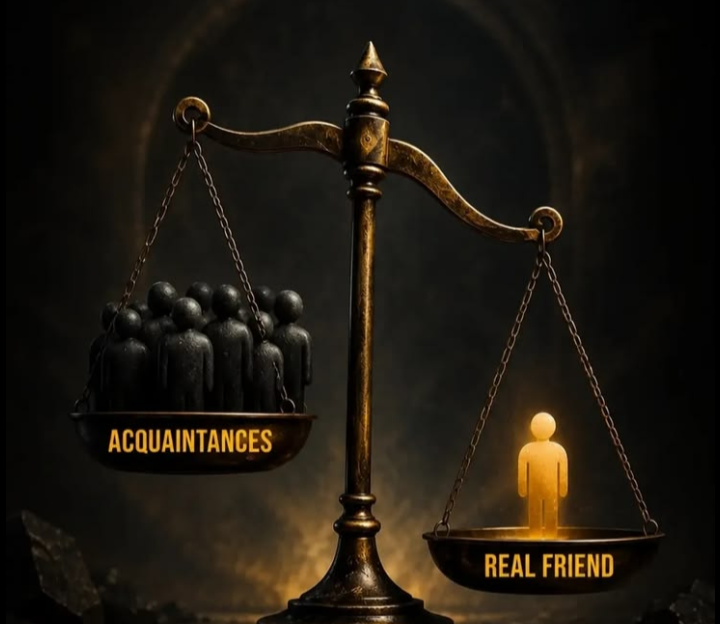
Tap the picture to see it full size
School made friendship ridiculously easy. You say beside the same person every morning shares lunch complained about teachers, and walked home together. Nobody schedule anything. Then college ended everyone moved in different directions, and suddenly seeing your closest. Friend required three messages, two cancelled plans, and someone asking . " When are you actually free? "
At first you assume nothing will change. You promise to stay in touch , create a group chat andvsend brithday wishes at midnight. Then someone starts a job, someone moves cities, someone gets married, and somebody is permanently " busy this week" The group chat remains active but actually conversation slowly become occasional.
The strange things is that nobody necessarily did anything wrong. Your friend isn't avoiding you; they are working late. you aren't ignoring them : you are exhausted after travelling home. Saturday disappears into laundry , groceries family errands and catching up on sleep. Meanwhile three months somehowbpass without either person noticing .
Eventually, friendship becomes an act of intention. You have to send the message even when there is nothing interesting to say. You have to send the message even when there is nothing interesting to say. You have to make plans instead of assuming they will happen. Sometimes that means calling while walking home, meeting for tea after work, or accepting that an hour together is better than waiting for an entire free day.
There is also a quieter change: conversations become less spontaneous. You once knew everything because you were physically present for everything. Now you hear major news through a message; new job, breakup, engagement, family problems. You think, " How think, "How did I not know?" The answe is usually simple: everyone's life continued separately.
Of course some friendships cannot survive that distance. You noticed who only existed because of the classroom, office, neighbourhood, or shared routine. Once the routine disappears there is sometimes surprisingly little holding the relationship together. It can hurt, especially when you realise you remember someone fondly but no longer actually know them.
Yet growing apart doesn't always mean the friendship failed. People change jobs, cities, priorities and personalities. Sometimes you reconnect after six months and continue talking as though nothing happened. Other times you meet after years and discover that the friendship now belongs party to memory. Both outcomes can be real.
Maybe adulthood teaches you that friendship is not measured by constant contact it is measured by whether both people still make space when they can . The effortless friendships of childhood were beautiful because circumstances arranged them for us. Adulthood is different. If someone still chooses to make time. That choice means something.
Maybe the hardest part is accepting that some friendships need maintenance now. Nobody is necessarily at fault when message become less frequent or plans become harder to arrange. Life simply becomes crowded with responsibilities that did not exist before, Still making that occasional effort can matter more than we realise . A simple "How have you been?".:can reopen a conversation that hasbeen quiet for months. Sometimes you discover that the friendship still feels familiar underneath all the distance. Other times you realise both of you have changed. Growing up means accepting both possibilities without turning every ending into betrayed or every reunion into something permanent.
When life gets busy and friendships feel distant, you
Your vote is final.

Written by
Nila de EvelynMore by Nila de Evelyn

Short link: hurroz.com/c/DEGTY