Chapter 3 of 4
Why convinces keeps making us poor
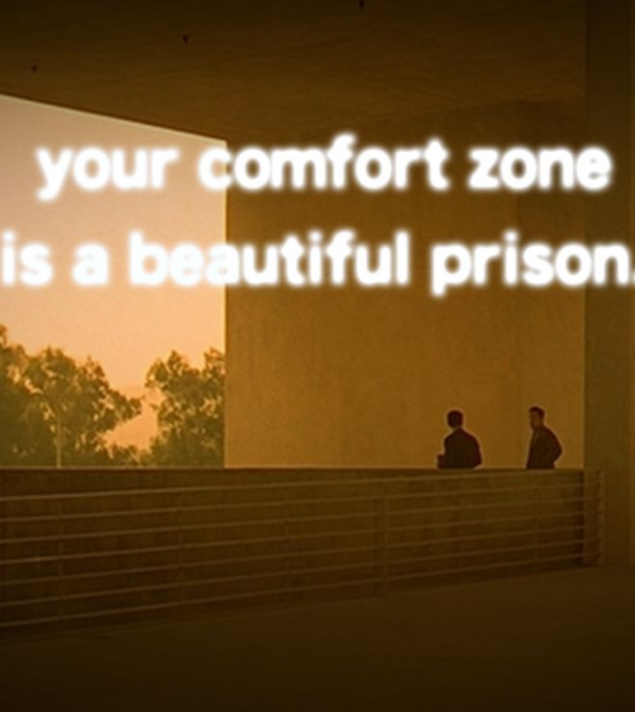
Tap the picture to see it full size
Convenience rarely feels expensive when you buy it one decision at a time. Five - minute delivery, a cab instead of the bus, food ordered because you are tired, another subscription because it is only ₹99. None feels serious. The problem appears later, when dozens of tiny decisions become one monthly expense.
Subscriptions are especially good at hiding this.. You pay for music, movies, cloud storage, space, learning appa, and maybe a fitness service you used for three weeks. The amount looks harmless individually. Then your bank statement arrives, and you realize several companies are being paid every month for your forgetfulness.
Food delivery makes the calculation easy to ignore. You are hungry, it is raining, and cooking feels exhausting. The app shows a discount, so ordering seems sensible. Then comes the delivery fee, taxes, packaging charge and maybe an extra item needed to unlock free delivery. Suddenly convenience costs considerably more
The strangest part is how convenience changes our behaviour. If a shop is ten minutes away, walking there can feel unnecessary because an app can bring the same thing downstairs. If a phone still works a newer model suddenly feels tempting. Saving time and upgrading become habits rather than choices.
I have noticed this with small punxhasea. A coffee here a snack there, an auto instead of walking another paid app because the free version is annoying. None feels like wasting money while making it. But repeated often enough, they become the reason the goal keeps moving away at first.
Of course, convenience is not automatically foolish. Paying for delivery when you are sick makes sense.Paying for transport when you are late can prevent problems. A subscription you use may be cheaper than buying things separately. The problem begins when convenience becomes our default answe instead of an option.
Reddit discussions about frugal living repeatedly return to thisbpoint.people often discover the damage only after tracking their spending. One person described small subscription and delivery purchases as a " weird personal tax", Another calculated hundreds of rupees disappearing through frequent quick deliveries. The pattern is ordinary, not extravagant now.
Maybe becoming financially careful is not about refusing every convenience. It is about making convenience visible. Ask what delivery actually costs. Which subscription you still use.bandbwhethwr the upgrade solves a problem. Money rarely disappears dramatically. More often it leaks through dozens of reasonable decisions that never felt expensive.
Maybe the real danger is not spending money on convenience, but slowly forgetting how to live without it. When everything can be delivered, automated, upgraded or made faster, doing something ourselves starts feeling like unnecessary efforts. We stop noticing the difference between something we genuinely need and something we simply want made easier. Over time conversation can quickly raisebout idea ofvwhat is normal. The bus feels too slow, cooking feels like work, waiting feels irritating, and repairing feels pointless . Perhaps being financially careful sometimes means choosing inconvenience deliberately not because we cannot afford convenience but because we do not want convenience deciding how we live.
When convenience becomes your default, you
Your vote is final.

Written by
Nila de EvelynMore by Nila de Evelyn
Short link: hurroz.com/c/KO83B