The change in Earths dynamics

The change in Earths dynamics

It’s a not so short yet fun article about the earth from it being a baby till today. Hope you enjoy it and read it your way through without getting bored 😄

In this article

  1. 1. The start 1 min
  2. 2. Earth Dynamics During the Age of Dinosaurs 1 min
  3. 3. Earth Dynamics During the Stone Age 2 min
Chapter 1

The start

The start

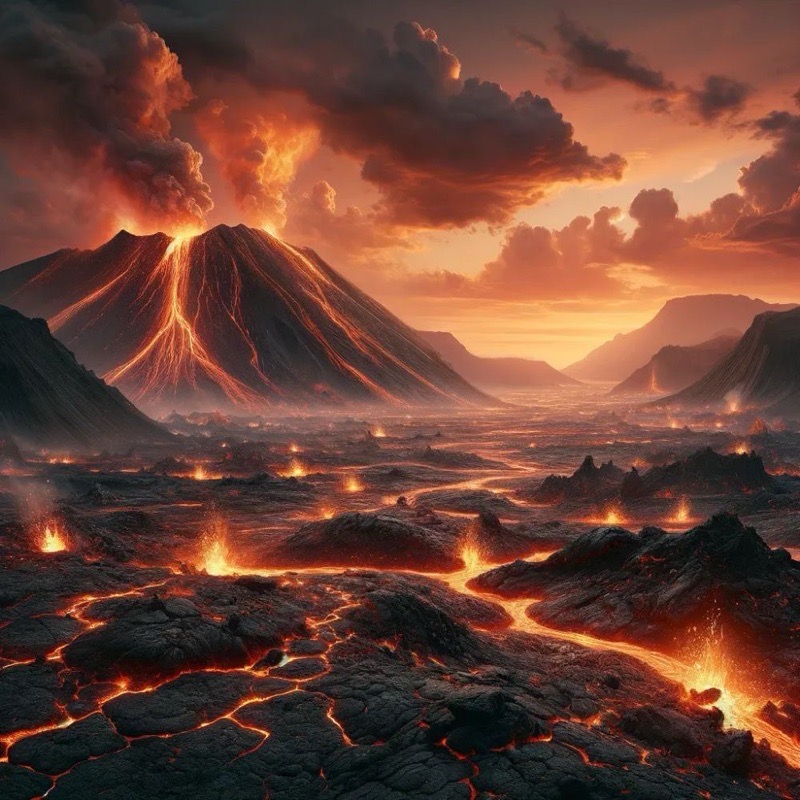
Earth is a dynamic planet that has never remained completely unchanged. Since its formation billions of years ago, the Earth has continuously undergone physical, chemical, biological, and climatic changes. 
The term Earth dynamics refers to the natural processes that shape and reshape our planet over time. These processes operate both beneath the Earth’s surface and on its exterior, influencing landscapes, ecosystems, oceans, and the atmosphere. 
In recent decades, however, human activities have also become an increasingly important factor in changing Earth’s natural systems.
One of the major forces responsible for changes in Earth dynamics is plate tectonics. The Earth’s crust is divided into large tectonic plates that slowly move over the semi-fluid mantle beneath them. Their movement can create mountains, earthquakes, volcanoes, and ocean basins. Although these changes usually occur over thousands or millions of years, they have a significant influence on the structure and geography of the planet.
Human activities are also altering Earth’s water and ecological systems. Rapid urbanisation, excessive groundwater extraction, pollution, mining, and large-scale agriculture can disturb natural cycles. These changes demonstrate that human society is now deeply connected with the natural processes governing the planet.🌎 Studying these changes allows us to understand how the planet developed and how its natural systems continue to influence life today.


Chapter 2

Earth Dynamics During the Age of Dinosaurs

Earth Dynamics During the Age of Dinosaurs

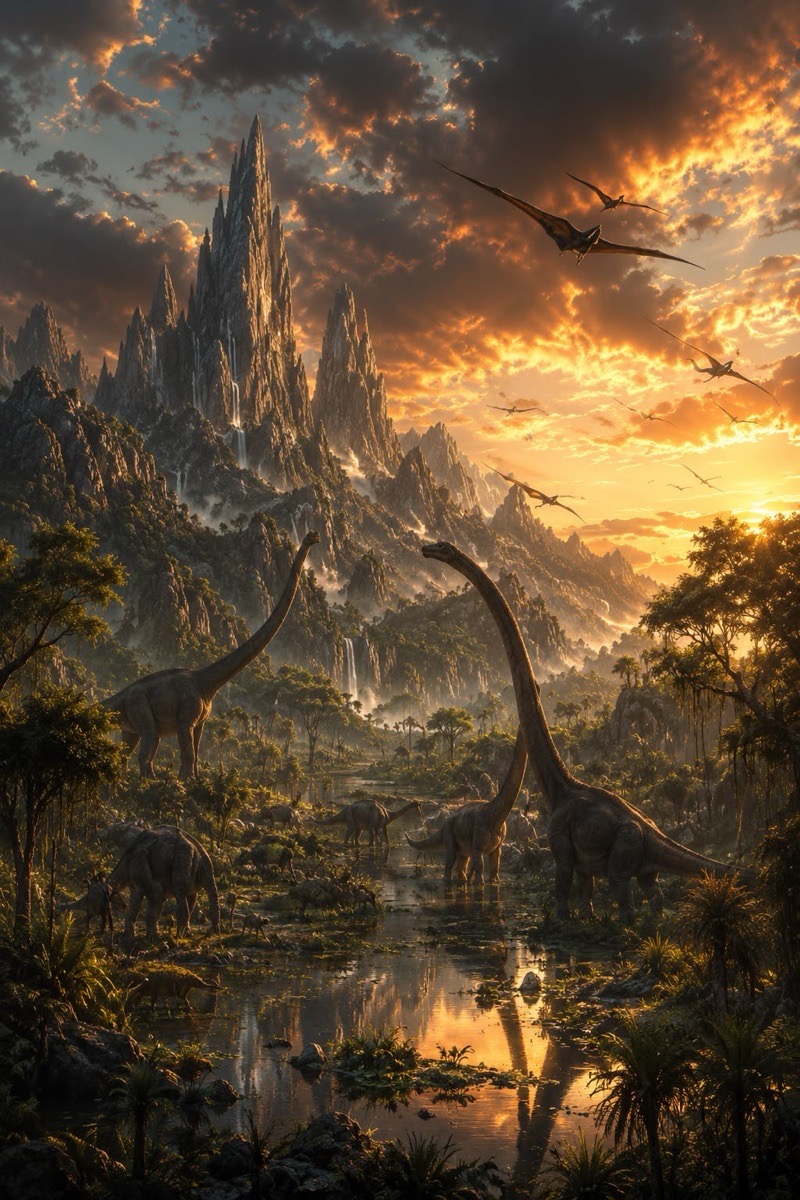
The Age of Dinosaurs, scientifically known as the Mesozoic Era, lasted from approximately 252 to 66 million years ago. It was divided into three major periods: the Triassic, Jurassic, and Cretaceous.During this time, the Earth looked very different from today. The continents were not in their present positions. At the beginning of the Mesozoic Era, most landmasses were joined together as a supercontinent called Pangaea. The climate during the Mesozoic was generally warmer than today, with relatively high global temperatures and no permanent polar ice sheets for much of the era. This warm climate supported extensive forests and diverse ecosystems. Large areas were covered by lush vegetation, providing food for enormous herbivorous dinosaurs. 
Atmospheric carbon dioxide levels were also generally higher than present-day levels, although they varied considerably throughout the era.Sea levels were often high, particularly during parts of the Cretaceous Period, allowing shallow seas to cover areas that are now dry land.The Mesozoic also witnessed major evolutionary changes, including the diversification of dinosaurs, marine reptiles, flying reptiles, and early mammals.
The end of the dinosaur era was marked by a dramatic environmental change approximately 66 million years ago. A large asteroid impact near what is now Mexico caused enormous environmental disruption
Combined with other environmental factors, this event contributed to the mass extinction that eliminated non-avian dinosaurs.


Chapter 3

Earth Dynamics During the Stone Age

Earth Dynamics During the Stone Age

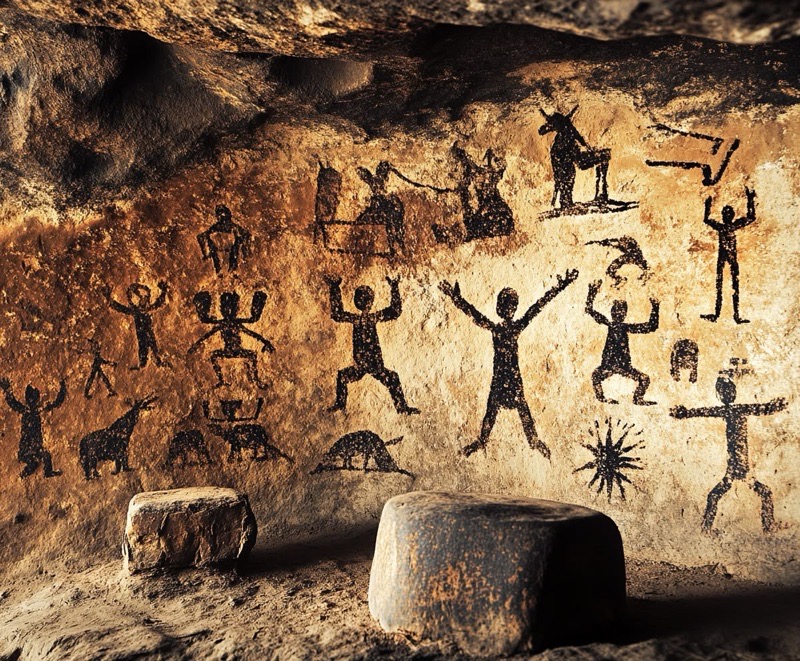
The Stone Age occurred much more recently, beginning roughly 3.3 million years ago and lasting until the development of widespread metalworking. Unlike the Mesozoic Era, the Stone Age was characterised by the emergence and development of early humans.
Large portions of northern Europe, Asia, and North America were periodically covered by massive ice sheets. Global temperatures changed considerably between colder glacial periods and warmer interglacial periods. These climatic changes influenced sea levels, vegetation, animal migration, and human settlement patterns. When large quantities of water were stored in glaciers, sea levels fell, exposing land bridges between regions that are now separated by oceans.
The Stone Age landscape was also shaped by rivers, glaciers, erosion, volcanic activity, and changing vegetation.Humans adapted to these changing environments by hunting animals, gathering plants, controlling fire, developing tools, and eventually practising agriculture.During the later Stone Age, the development of farming and permanent settlements began to significantly alter local landscapes through deforestation, cultivation, and domestication of animals.
The Earth during the Age of Dinosaurs and the Stone Age was vastly different from the world we know today. Dinosaurs lived on a planet shaped by continental movement, warm climates, high sea levels, volcanism, and major evolutionary changes. Millions of years later, early humans experienced a planet strongly influenced by repeated ice ages, changing sea levels, shifting ecosystems, and climatic fluctuations. 
These periods demonstrate that Earth is not a static planet. Its geography, climate, atmosphere, and living organisms continuously interact and change over geological time. Understanding these past Earth dynamics helps us understand the natural processes that continue to shape our planet today.


More by Paarvi

📖
Article

The Lionsgate portal

1 chapter·Aug 9, 2026
📖
Article

Self reflection

1 chapter·Aug 2, 2026
📖
Article

Sunsets

1 chapter·Jul 25, 2026