
In this article
How reading shapes the mind

In today’s digital world, information is available within seconds. We can watch videos, listen to podcast, read short post and find answer with few tabs on our phone. While technology has made knowledge more accessible than ever, it has also changed the way we read and think. Many people now spend more time scrolling through short content from ai than reading books or long form of articles.
Reading is more important than a way to gain information. It strengthen our ability to think, imagine and understand different perspective. Whether it is a noble, a biography, a research article or a newspaper reading always helps us develop knowledge that cannot always be gained from short pieces of content from AI.
As our lives become increasingly connected abd dependent to digital devices, the ability of reading faces new challenges. This article explore why reading continues to matter, How digital technology has changed our reading habit and what we can do to keep the habit alive in the modern world.
Reading has always been one of the most powerful ways to learn. Every book, article or essay introduce us to new ideas, experience, and many ways of thinking. Short social media posts that are designed to capture attention quickly but reading require patients, focus and active participation. It increase the brain to process information deeply rather than simply consume it. One of the greatest benefit of reading is that it improves critical thinking. When we read, we do not just read words. We analyse argument, connect ideas and question information. This ability becomes important in a world where people are exposed to an overwhelming amount of information everyday. Reading helps us distinguish facts from opinions and develop informed perspective.
Reading also expands our vocabulary and improves communication skills. People who read regularly often find it easier to express their thoughts clearly in both speaking and writing. Whether someone is a student, a professional or Simply a lifelong learner, strong reading habits contribute to better understanding and more good communication. Another important benefit is imagination. Unlike Visual media, books encourage reader to create their own mental images of character, places and events. This active engagement grows creatively and allow every reader to experience the same story in a unique way.
In a world filled with constant notification and destruction, spending time with a book trains the Mind to focus on one activity for an extended period. This ability is valuable not only for academic success, but also for every day life. Reading is not limited to gaining knowledge. It is also help us understand people and culture different from our own. Through literature, history, biographies and personal stories, We learn about experiences that we may never encounter ourselves.This develops empathy and broadens of our understanding of the world.
Although technology has grown from how we access information, the founder menthol value of reading remains unchanged. It continues to strengthen the mind, improve communication, and prepare us to think more deeply about the world around us. In many ways, reading is not just a habit. It is lifelong skill that supports personal and intellectual growth.
Digital Reading VS Printed Books

The way we read has changed dramatically over the past two decades. Today, many people read on smartphones, tablets, laptops, and e-readers instead of holding a printed book in their hands. Newspaper paper, articles, research paper, nobles, and even textbooks are now available digitally, making information easier to access than ever before. This shift has made reading more convenient, but it has also changed the reading experience. One of the biggest advantage of digital reading is accessibility. With just a few clicks, readers can download thousand of books, search for information instantly and carrying an entire Library on a device. Students can access academic journal online, professionals can read industry reports and book lovers can explore new authors without visiting a bookstore. Digital reading has removed many barriers and made knowledge available to more people. Even a villager can read a book by just clicking few tabs. So the digital reading also helps a lot but printed books somehow offer a different kind of experience. Reading a physical book allows readers to disconnect from notifications, message and other digital distractions. Turning pages, highlighting important messages and placing bookmarks, create a sense of involvement that many readers still value. Some people holding a book makes reading feels more personal.
Another difference lies in concentration. Reading on a phone or Laptop often comes with interruptions. A message popped up, a notification appears or the temptation to switch to another app becomes difficult to ignore. This small distraction can break our focus and reduce our ability to engage with the text. Printed books provide a quieter environment where readers can stay focus for longer periods. They also reduce the eyes stain and Create a strong connection with the Book. Printed books also help us stay focused, understanding and improve our memory alot.
Digital reading is also changing the way we consume information. Many online platforms encourage short articles, quick summary and fast scrolling. While this helps people stay informed, it can also reduce the time spent on thoughtful, detailing reading. Longform books and articles require patience, encouraging readers to slowdown and think more carefully about what they are reading.
This does not mean one format is better than the other. Both printed books and digital reading have their own strengths. Digital platforms make learning more accessible and convenient while printed books often offer a more focused and enjoyable reading experience. The best choice depends on the purpose of reading and personal preferences.The real challenge is not choosing between digital and printed books, but making sure we continue reading in meaningful ways. Whether the wordsappear on a paper or a screen, what matters most is our willingness to engage with ideas, learn new things and develop the habit of reading regularly.
Technology will continue to involve and the way we read may keep changing. However, the importance of reading itself remains the same. A thoughtful reader can learn from both printed book and a digital screen, as long as curiosity, attention and desire to learn remainat the centre of the experience.
The decline of deep reading

In recent years, the way people consume information has changed Suddenly. Instant of spending hour reading books or long articles, many of us now read short posts and headlines, captions and brief summaries. We move quickly from one piece of content to another,often without taking enough time to reflect on what we have read. This shift has contributed to what many researchers describe as the decline of tea breeding.
Deep reading is the practice of reading carefully, thoughtfully, and with full attention. It involves understanding ideas, making connection between concept and questioning argument. Unlike quick scrolling, deep reading requires concentration and patience. It allows readers to engage with information rather than simply consumer it.
One of the main reasons deep reading is becoming less Common is the increasing presence of digital distractions. Smart phones, social media platform and constant notification compete for our attention throughout the day. Even while reading an article online, it is easy to become distracted by messages, advertisements.or suggested content. As a result, many people find it difficult to stay focused on one text for an long period.
Another factor is the growing popularity of short form content of AI, videos lasting only for few seconds, brief news updates and summarise information provide quick access to knowledge, but they often leave little room for deeper understanding. While this type of content is useful for staying informed, it cannot fully replace the experience of reading an entire book, research paper or detailed article.
The decline of deep breeding can also affect learning. Student who relay only on summaries may miss important explanations, examples and critical argument presented in the original book. Reading complete works helps analytical thinking, improve comprehension and encourages independent reasoning. These skills are valuable not only in education but also in professional and personal life. Other than these challenges, deep reading is still possible. Setting aside detected time for reading without interruption, keeping digital devices away and choosing books or long form articles that genuinely interest us can gradually rebuild our ability to concentrate. Even reading for twenty or thirty minutes each day and strengthen focus and improve comprehension over time.
It is important to remember that technology itself is not the problem. Digital platform have made knowledge more accessible than ever before. The challenges lies in balancing with meaningful engagement. Quick information has it place, but it should not completely replace thoughtful reading. Parents, teachers, and schools can encourage regular reading habits by creating time for both digital abd printed reading. When readers learn to use technology responsibly, they can enjoy its benefits without losing the ability to read carefully and think wisely.
As the digital world continue to evolve the ability to read deeply may become even more valuable. Those who can focus, analyse difficult ideas and think wisely and deeply will be better prepared to understand an increasingly complex world. Deep reading is not simply an old Habit, it is an important skill that continue to support learning and informed decision making in the modern era.
Building a reading habit in a digital era
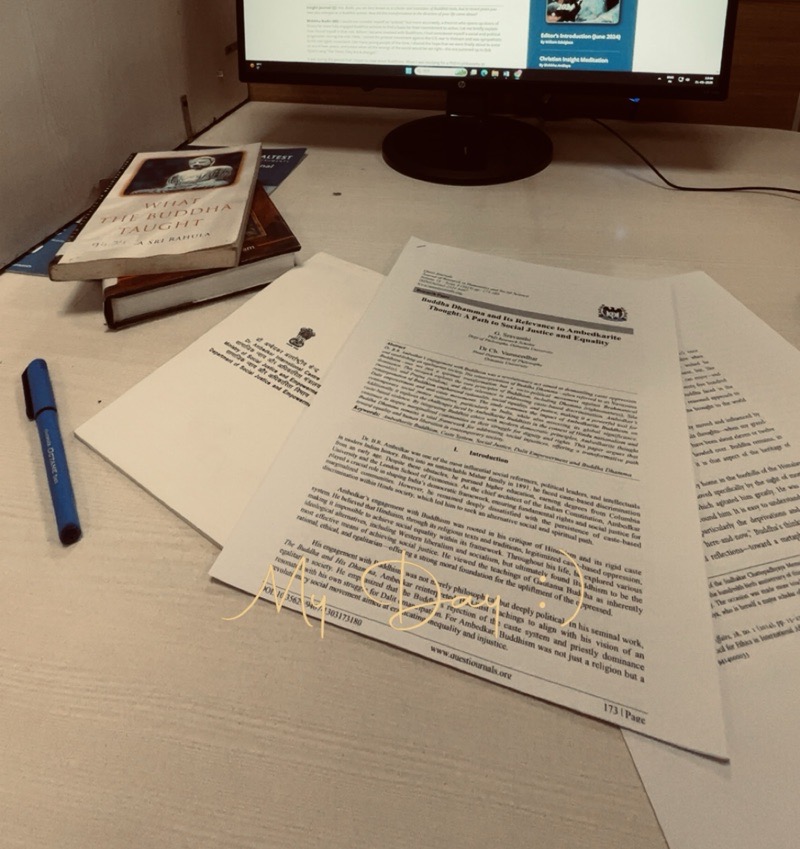
Developing a reading habit has become more challenging than ever before. With smartphones, social media, streaming platforms, and constant notification Competing for our attention so finding time to read often feels difficult. However, despite these distractions building a regular reading habit is still possible with small and constant efforts.
One of the biggest misconception is about reading is that it requires several hours every day. In reality, even reading for fifteen or twenty minutes daily can make a significant. difference over time. A few pages each day may not seem like much, but those small sessions gradually turns into completed book and a lifelong habit of learning.
Choosing the right reading material is equally important. Many people stop reading because they begin with books that do not match their interest. Reading should not feel like a burden. Whether it is history, science, fiction, biographies, psychology or self development selecting topics that genuinely spark curiosity makes the habit easier to maintain. When people enjoy what they are reading, they are more likely to continue it.
Creating a dedicated reading routine can also help. Some people prefer reading early in the morning before starting their day, while others enjoy reading before going to bed. A constant reading trains, the mind to associate a particular time with reading, making it easier to stay committed. Even replacing a few minutes of social media scrolling with reading can have a positive impact.
Another useful strategy is reducing Distraction. Reading on a phone often brings in interruption from messages and notifications. Turning on “do not disturb” mode, choosing a quiet place or reading a printed book can improve this concentration. The goal is to create an environment where the mind can focus without constantly switching attention.
Reading should also be seen as a journey rather than a competition. There is no need to finish a certain number of pages in a day or books every month or compare reading goals with others. The purpose of reading is to understand, reflect, and enjoy the ideas presented in the text. Reading slowlywith good comprehension is far more valuable than rushing through pages without remembering them.
Technology can also support reading when used wisely. E-books, digital libraries, online academic journals and audiobook platforms have made knowledge more accessible than ever before. These resources also allow people to read whenever and wherever they have time. The key is to use technology as a tool for learning rather than a allowing, it to become a constant distraction.
In the end, reading remains one of the most valuable habit a person can develop. It extends knowledge, strengthen Thinking, improve communication skills and encourage lifelong learning. While the digital era has changed the way we access information, it has not reduced the importance of reading itself.
The future of reading will likely include both printed books and digital formats. What matter most is not the medium we choose but our willingness to stay curious, keep learning and make reading a meaningful part of our everyday life.
More by Isha