The difficulty of saying no

The difficulty of saying no

In this article

  1. 1. Why is saying no feel so difficult? 3 min
  2. 2. The pressure to keep everyone happy 3 min
  3. 3. Learning to set boundaries 3 min
  4. 4. Becoming comfortable with your choices 3 min
Chapter 1

Why is saying no feel so difficult?

Why is saying no feel so difficult?

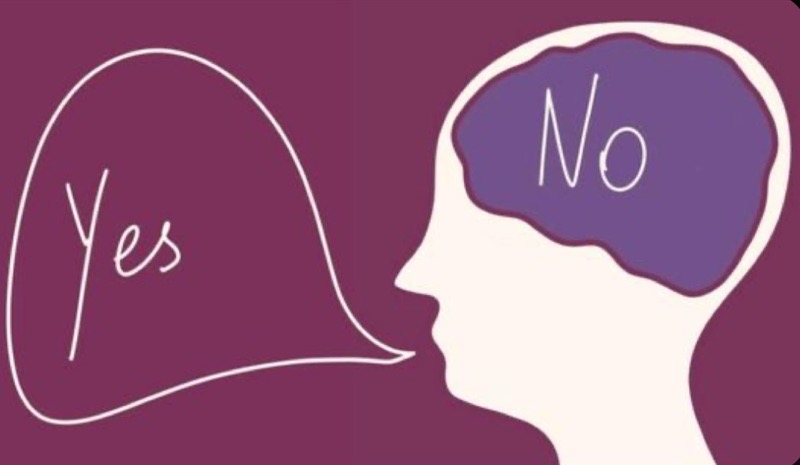
Saying no sound like a very simple thing, but for many people, it is surprisingly the most difficult thing in the world.

We can easily say yes to small requests, even when we are tired, busy or simply do not want to do something. Sometime we agree without even thinking about it.
Later, when we are alone, we wonder why we said yes in the first place.

One reason saying no face difficulties that we do not want to disappoint people. We care about what other think of us, especially when the person asking is someone we know.
We may worry that they will think we are rude, selfish, lazy or helpful. Because of this saying yes, can feel like a safer choice.

There is also a difference between wanting to help someone and feeling responsible for their happiness. Helping other is a good thing, but we cannot always be available for everyone. Sometime we forget this and start believing that we have to solve other people’s problems. When we constantly putting their needs before our own, we can end up feeling, exhausted and frustrated.

Another reason, people struggle to say no is guilt. Even when we have a completely reasonable reason for refusing something, we may still feel bad about it. We might think “maybe I should just do it” or “it is not that difficult, so why not?”
The problem is that repeatedly ignoring our own needs that can make us feel even worse later..


Our relationships can also affect how comfortable we are with saying no. If we have always been the person who agrees to everything, other may become used to it.
The moment we finally refuse something they might be surprised. This can make us feel like we are doing something wrong, even when we are simply changing and healthy habit.

Sometimes the fear is not even about the other person’s reaction. It can be about our own fear of conflict. We may image and argument or an awkward conversation before it even happens. Avoid that possibility, we say yes. It may give us temporary peace, but it can create a bigger problem for us later.

Saying no always becomes difficult when we confuse kindness with constant availability. Being a kind person does not mean saying yes to every request. We can care about someone and still have limits.
We can understand other person situation without taking responsibility for everything that they need.

Learning to recognise our own limits is aso important. Before agreeing to something, it can help to pause and ask ourselves whether We actually have the time, energy or willingness to do it.
We do not have to answer immediately. Taking a moment to think can prevent us from making promises that we regret later.

Saying no, does not automatically make someone selfish or uncaring.
Sometimes it simply means being honest about what we can handle.
It can feel uncomfortable at first, especially if we are doing to pleasing everyone around us. But understanding by saying no feels difficult is the first step towards becoming more comfortable with it.
We cannot be available for everyone all the time and accepting that is an important part of taking care of ourselves.

Chapter 2

The pressure to keep everyone happy

The pressure to keep everyone happy

Many people spend a lot of time trying to keep everyone around them happy. It can start with small things, like agreeing to plans. We do not really want to make, helping someone when we are already tired or staying quiet when something bothers us. At first, these choices may not seem like a big deal but when we keep doing them, we can slowly forget to consider what we actually want.

The pressure to please others often comes from wanting to be liked and accepted.
We naturally want some good relationships with the people around us, so we trying to avoid doing anything that might upset them. If someone asks for a favour, we may immediately say yes, without we do not want them to think badly for us. Even when we have other things to do their reaction and feel more important than our own plans.

Sometimes this pressure comes from our past experiences.

If we have grown up being praised for being helpful, polite or cooperative, we may start believing that being a good person means always saying yes. Helping other is obviously a good quality, but there is difference between being helpful and constantly ignoring our own needs.

The problem become clearer when Saying yes starts creating resentment. We agree to something, even though we do not want to do it and later we feel irritated about having to do it. The other person may not even realise that we do not want to agree. From their point of view, we said yes willingly.
This can create an Unfair situation where we are upset with someone for a decision we made ourselves.

There is also a strange feeling that comes with disappointing someone.
We may know that we have a valid reason for saying no, but we still feel guilty when the other person seems unhappy. Their disappointment can make us question our decision. We Start wondering if we should have just agreed, even though we know we did not have the energy or time.

Social Expectations can make this even harder. We are often taught to be polite, respectful and considerate.

There are good values, but sometimes we take them too far. We become so focused on being polite that we stop being honest. We say “it’s fine” when it’s not fine, or “i can do it” when we actually cannot.

Another issue is that people may get used to our Availability. If we have always been the person who helps, listens, adjust Or agree other may naturally expect the same from us. When we finally started setting limits, they might not understand the change immediately. This does not mean that we are doing something wrong.
It may simply mean that the relationship is adjusting to a new boundary.

Saying no may disappoint someone for a moment but constantly saying yes, can leave us disappointed in ourselves.
Finding a balance between caring for others and respecting your own limit is important. We do not need to become less kind, we simply need to understand that kindness should include ourselves too.

Chapter 3

Learning to set boundaries

Learning to set boundaries

Learning to say no becomes easier when we understand the importance of our boundaries.
A boundary is simply a limit that we set around our time, energy, space, and personal choices. It does not mean pushing people away or becoming rude.
It means understanding what we are comfortable with, and being able to communicate that honestly.

For many people, setting boundaries feel uncomfortable at first. We may worry that others will misunderstand us or think we have changed. If we have always been availablewhenever someone needs us suddenly saying no can feel strange. We might have been feel guilty for doing something that is actually healthy.

One of the first steps is learning to pause before giving an answer.
We do not always have to respond immediately when someone ask us for something. We can simply say that we need time to think about it. This gives us chance to consider whether we genuinely want to agree or whether we are saying yes, only because we are afraid of disappointing someone.

It is also important to understand that not every request deserves a long explanation.

Sometimes we feel that we need to give a detail reason for saying no so that the other person will accept our decision, but we are allowed to have our own limits. A simple response can be enough. We do not need to create an elaborate excuse every time we cannot do something for someone.

Boundaries also apply to conversations and personal space. There may be time when we do not feel like discussing something, answering personal questions or being around too many people. It is okay to say that we would rather talk about something else or that we need some time alone. Taking space does not mean that we dislike the people around us.

Another important part of setting boundary is consistency. If we say no once But immediately give in because someone keeps asking, the other person may learn that our answer can be changed through pressure. This does not mean we have to be strict all the time. It simply means that when something is genuinely important to us, we should try to stand by our decision.

In fact, healthy relationships always allows people to have boundaries. A good friend, a family member or colleague may not always agree with our decision but they should be able to respect them. If a relationship depends entirely on one person always adjusting, then it may worth thinking about whether the relationship is balanced or not.

Setting boundaries also teach us more about ourselves.
We begin to notice what make us uncomfortable, what drain our energy and What actually matter to us.

Learning to say no is not something that happens overnight. There may still be moments when we feel guilty or uncomfortable and that is normal. The goal is not to become someone who never helps, the goal is to become someone who can help other without constantly ignoring their own needs.

Boundaries are not walls.
They are a way of creating healthy relationships with ourselves and with other people.

When we learn to respect our own limits, we also become better at respecting the limits of others.
Chapter 4

Becoming comfortable with your choices

Becoming comfortable with your choices

Learning to say no is not only about refusing request.
It is also becoming comfortable with your own choices. Even after we learn to set boundaries, there may still be moments when we question ourselves. We might say no to something and then spend the rest of the day, wondering if we made the right decision. That is normal, especially when we are used to putting others feelings before our own.

One of the hardest part is accepting that we cannot make everyone happy.


No matter how careful we behave, someone may still disagree with us or feel disappointed. We can explain our decision politely, but we cannot control how another person reacts. Once we understand this saying no become a little easier.

There is also difference between guilt and actually doing something wrong.
Feeling guilty does not always mean that we have made a bad choice. Sometime guilt simply comes from doing something unfamiliar. If we has spent years saying yes to everything, our first few no’s may feel uncomfortable. That feeling does not mean, we should change our decision.

It helps to remember that our time and energy are limited. Every time we agree to something, we are giving a part of ourselves to it.
If we keep accepting things that we do not have the time or energy for, something else in our life will eventually suffer. We may become tired, irritated, or unable to focus on the things that genuinely matter to us.

That does not mean that we should stop helping people. There will always be situation where we want to make an effort for someone else, even when it is inconvenient. The difference is that decision should come from a genuine choice rather than fear, pressure or guilt.

Helping someone because we want to is very different from helping because we are scared of saying no.


Being comfortable with our choices also means accepting that our priorities can change. Something that we agree to in the past may not fit our life now. We are allowed to change our minds when Circumstances change. Growing as a person means understanding ourselves better, and sometimes that means making different choices than we used to.

There may be people who question our boundaries. They might say that we have changed or that we used to be more helpful. Instead of immediate feeling guilty, we can calmly explain that we are trying to manage our time and responsibility differently. We do not need to argue or prove that our decision is correct.

Most importantly, saying no gives us the chance to say yes to the things that actually matter to us.


In the end, saying no is not about becoming selfish or distant. It is about understanding that our needs matter too. We can be kind, helpful, and caring while still having limits. We do not need everyone’s approval for every decision we made. Sometimes the healthiest choice is simply to say no, accept the little discomfort that comes with it and move forward without constantly questioning ourselves. Learning to respect our own choices is not selfishness.
It is a quiet form of self respect.

More by Isha

The lessons hidden in failure
Article

The lessons hidden in failure

4 chapters·Jul 31, 2026
Importance of patience
Article

Importance of patience

4 chapters·Jul 29, 2026
Why human fear change: journey from comfort to growth
Article

Why human fear change: journey from comfort to growth

Change is one of the few constant in life, yet many people struggle to accept it. Whether It is moving to a new place, starting a new job,...

4 chapters·Jul 26, 2026
Why Reading Still Matters in the Digital Era
Article

Why Reading Still Matters in the Digital Era

In today’s fast paced digital Era, reading habits are changing as people spend more time on screens and read short AI content. This article...

4 chapters·Jul 25, 2026
Growing up is different than I imagine
Article

Growing up is different than I imagine

This article explores the realities of adulthood, from changing friendship and new responsibility to uncertainty and personal growth. It...

4 chapters·Jul 19, 2026
The Art Of Letting Go
Article

The Art Of Letting Go

Letting go is one of life’s hardest lessons, but it is also one of the most meaningful. This article explore how releasing people,...

4 chapters·Jul 19, 2026