In this article
Make government schools genuinely competitive
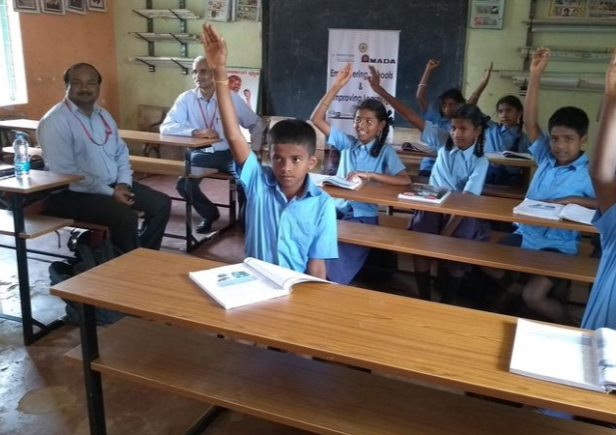
One of my biggest priorities would be governed schools. I would not start by covering buildings with colourful paint or putting " smart classroom" boards everywhere. I would start with the basics teachers learning, laboratories,libraries, toilets, sports, safety and career guide. A good school should actually teach.
The first challenge qouldbbe teacher shortages and uneven quality. Some schools have dedicated teachers. While others struggle with vacancies and overcrowded classrooms. I would invest in recruitment, training and regular performance monitoring . However simply hiring thousands of teachers would not solve everything. Getting qualified people to remote areas and retaining them remain difficult.
Infrastructure would be another major problem. Some schools need functioning toilets, clean drinking water, electricity, laboratories, libraries, computers, playgrounds, and reliable internet before worrying. about advanced technology. Building infrastructure is easier than maintaining it. Therefore funding would have to cover maintenance roo, because a new computer laboratory is useless when half the computers stop working.
I would also introduce stronger career guidance from secondary school.bstudents should know about Universities, vocational courses, scholarships, competitive examinations, apprenticeships, and different careers before class 12. The challenge would be finding enough trained counsellors, particularly in rural schools. Online counselling could help,bbut it cannot completely replace someone who understands students personally.
Another problem would be the perception surrounding government education. Many parents associate private schools with better English, discipline, opportunities and social status. Changing that perceptions cannot happen through advertisementa. Parents would have to see actual impprovments in student pe4formance, communication skills, extracurricular opportunitiea, and university or employment outcomes before they genuinely trusted government schools again.
There would also be political and administrative resistance. Education involves both the Union and state governments, so a Prime Minister cannot simply command every school to change overnight Different states have different priorities, budgets, languages and education systems. Any national programme would therefore require cooperation rather than pretending Delhi can solve every classroom problem.
Finally measuring success would be completed. A school cannot be judged only by examination marks . Attendance foundational literacy student retention higher education access , vocational, outcome, aafetyand student well-being should also matter. There would inevitably be failures, delays and schools that didn't improve as expected. Those failures would need investigation rather than hidden statistics.
My goal would therefore not be to destroy private education or force everyone into government schools. It would be to create government schools good enough that choosing one is not considered a financial compromise.
Fix government hospital managements
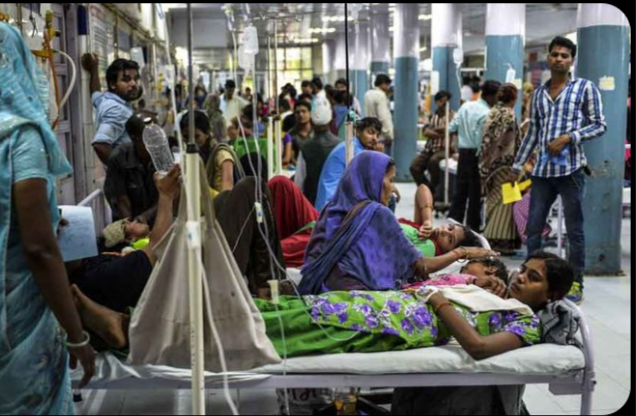
I would make existing government hospitals my priority before announcing another enormous hospital with a grand opening ceremony. A giant building looks impressive in photographs, but healthcare is not architecture. India needs functioning primary health centres. District hospitals , doctors,nurses, medicines, equipment, emergency services cleanliness and maintenance.
The first challenge would be the shortage ang uneven distribution of medical professionals. Doctors and nurses are often concentrated in cities, while rural and remote areas struggle to attract and retain them. Better salaries , housing, safer workplaces, and incentives could help but forcing professionals to stay somewhere relately creates long - term commitment.
Medicines and diagnostic equipment would require another major intervention. A hospital having expensive machines means nothing if they remain unused because technicians are unavailable or maintenance contracts have expired. I would create stronger systems for procurement inventory tracking equipment maintenance and medicine availability . The challenge would be preventing delays, wastage and inefficient purchasing.
Emergency care would receive particular attention. A patient should not have to travel several hours to another city because the nearest government hospital lacks basic emergency facilities. Strengthening ambulance emergency departments, blood banks , oxygen supply and referral systems could save lives.
Another challenge would be overcrowding, improving government hospitals could actually increase patient numbers because people would trust them more. That sounds like success, but it could overwhelm facilities that were already stretched. Expanding capacity, strengthening primary healthcare and directing appropriate cases to smaller centres would therefore be necessary alongside hospital importants.
Corruption and administrative inefficiency would also be uncomfortable realities. Healthcare involves enormous amounts of public money from construction contracts to medicine purchases.
However technology alone cannot eliminate corruption if people responsible for monitoring systems are unwilling to act.
There would also be political pressure to build new hospitals because new projects are easier to showcase than invisible improvements. A newly constructed building creates a ceremony, photographs, headlines, and an obvious symbol of development. Replacing broken equipment or improving nursing schedules is far less exciting.. I would have to accept that meaningful healthcare reform is often politically boring.
The biggest challenge would be that healthcare is not controlled entirely by the Union government. States play a major role in public health administration, staffing and hospitals. Anybnational improvements programme would therefore require cooperation between central and state governmentss. Different states also face completely different problems.mwaning one identical solution would not work everywhere.
I would not promise that fixing government hospitals would make Healthcare perfect. It would take years, enormous funding political cooperation competent administration and constant monitoring..
Reduce the burden of farmers loan

I would want to reduce the burden of farmers loans, but I would not make the easy promise of councelling every agricultural debt. Loan waivers can provide immediate relief, but they cannot permanently fix the reasons farmers keep borrowing. I would focus on targeted relief alongside long term solutions.
The first step - would be identifying genuinely distressed farmers. A farmer affected by drought, flood, pest attacks, or crop failure should not be treated exactly like someone who borrowed for a profitable expansion. Dept restructuring, longer, repayment periods, lower interest and temporary payment relief could prevent vulnerable farmers from falling deeper into debt. However identityimg genuine cases fairly would be difficult.
Crop insurance would need serious improvement because insurance that exists on paper but falls to provide timely compensation is practically useless. Claims should be processed quickly using reliable field data and technology.The challenge would be ensuring accurate assessments, preventing fraudulent claims and making insurance companies and government agencies respond quickly when farmers actually need assistance.
Irrigation would be another priority. Particularly in regions heavily dependent on unpredictable rainfall. Expanding efficient irrigation, rainwater harvesting, watershed management, and water saving agricultural practices could reduce dependence on monsoons the challenge is that water availability differs dramatically between regions and poorly planned irrigation can create groundwater depletion rather thanvsolving the problem.
Storage and market access are equally important. A farmer forced to sell immediately after harvest may receive a poor price because everyone is selling simultaneously. Better warehouses, cold strange, transportation , processing facilities and market information could allow farmers to make better decisions. Building these systems across rural India , however would require enormous investment and. Effective local management.
There is also the problem of repeated debt cycles. If a farmer receives a waiver today but faces the same crop failure, poor prices, expensive inputs, and inadequate insurance tomorrow the debt problem simply returns. That is why relief must be combined with better productivity, diversified income opportunities, stronger markets and lower production risks, otherwise we are only resetting the clock.
The biggest challenge would be that agricultural is deeply connected to state governments, markets, weather, international prices , electricity, water and thousands of local conditions A prime Minister cannot control all of thesev. Any serious agricultural policy would require coordination between central and state governments, banks insurance companies, researchers, traders and farmer organisations.
I would therefore measure success differently . I would not celebrate simply because billions of rupees of loans were waived.
Re examine how reservation addresses disadvantages
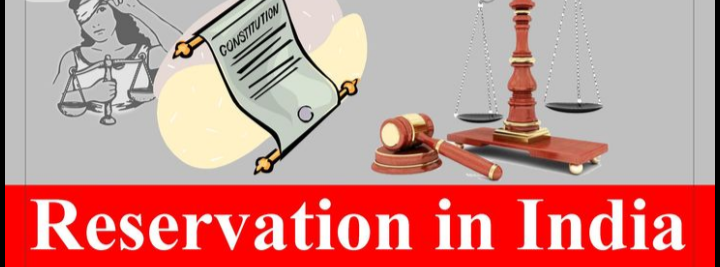
I would not promise to abolish reservation overnight. That would be irresponsible. Reservation exists because caste discrimination and historical exclusion have shaped access to education, employment and opportunity for generations. But I would still ask whether our system is identifying disadvantag as accurately and fairly as possible today.
I would begin with data rather than political slogans. We need reliable information about educational access, household income, representation, employment and social conditions across communities. Without current evidence, changing reservation becomes guesswork. The challenge is that collecting sensitive social data accurately is difficult, politically controversial and vulnerable to manipulation by groups seeking either greater benefits or protection.
Economic hardship should receive greater attention. A financially struggling student can face enormous disadvantage regardless of background, particularly when quality education, coaching, technology and professional networks are inaccessible. I would explorer stronger economic criteria within thevbroader system. However poverty and caste discrimination are not identified problems. So treating them as interchangeable would ignore reality
Reservation affects millions of people and has become deeply connected to questions of identity, representation and social justice. Any attempt to change it could trigger protests from communities fearing that their opportunities are being taken away. Other communities could protest because they believe the system remains unfair. There would be no painless reform.
There would also be constitutional and legal limitations. The Prime Minister cannot simply rewrite reservation rules through an announcement. Parliament, constitutional provisions government policies and Superme Court Judgementa all matters.
Another difficult question would be howbto measure economic dis advantage. Income alone can be misleading because wealth property, family assets, location, education and access to opportunities all influence someone's circumstances. A person earning a similar income to another householdvmaybstill have completelt different advantages. Designing a fair fraud - resistant system would therefore require multiple indicators.
I would also worry about benefits being repeatedly captured by relatively better - off families within eligible groups. At the same time removing benefits too aggressively could punish families who still face genuine discrimination. Balancing these realities would be extremely difficult.
Most importantly, I would not pretend that economic criteria can magically replace caste considerations. Someone can be financially comfortable and still experience caste discrimination. Someone from a historically disadvantages community can face barriers that income statistics cannot capture. The objective should therefore be to understand disadvantages more completely rather thanvreducing anvextremely complicated social problems to one number.
My goal would not be tovcreate a system where everyone receivesvexactly the same treatment regardless of circumstances. Equality is not always achieved by pretending everyone's a starting point is identical.

More by Nila de Evelyn