The beginning of a changing generation

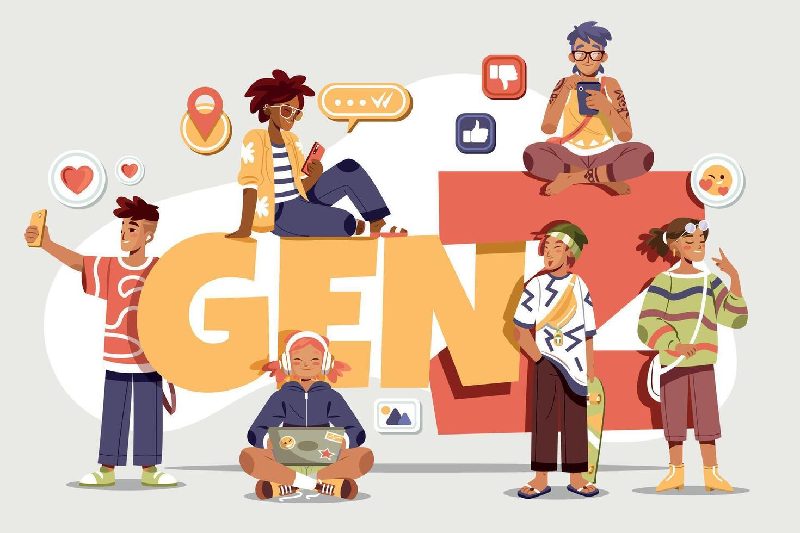
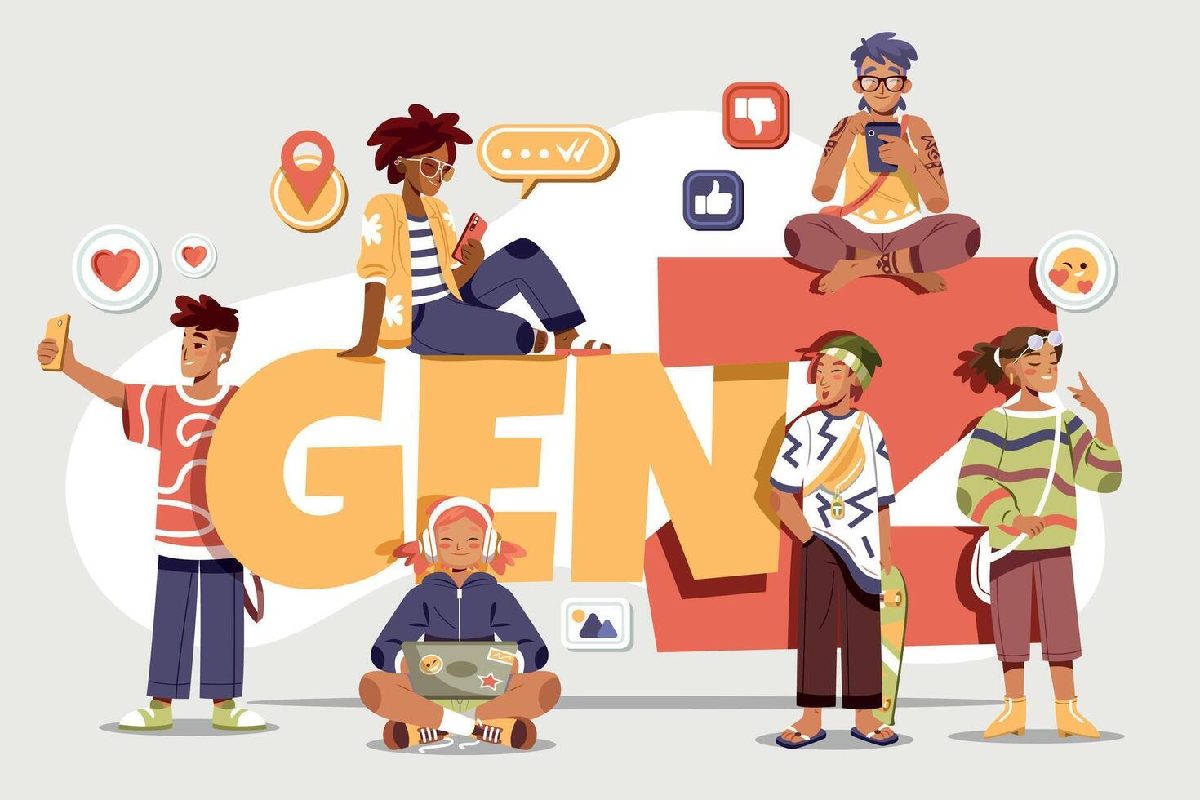
Gen z, also called Zoomers, are typically defined as people born between 1997 and 2012. They are considered the first generation of true digital natives.
Gen z has completely grown up with digital connectivity, including Web 2.0, Smartphone, Social media, Memes and other digital technologies and they are fully immersed in the digital world.🌎
They are completely different from older generation. Their preferences, dislikes, hobbies, lifestyle and various other activities make them distinct from previous generations. They don't usually prefer long conversation, they like to express their thoughts and interests through Shortcuts, Memes, Streaks, Emojis😊, Reels, Stories and other similar forms of communication.
Work Culture :
For them, work is not just about earning money; it is about living life on their own terms . Personal life is equally important alongside work. They tend to prefer work-from- home or hybrid work models. They are more likely to refuse overtime or pressure to take on extra work . Rather than traditional jobs, they often prefer focusing on startups and entrepreneurship.
Thinking about Mental Health :
They see talking about depression, anxiety and going to therapy as completely normal and don't feel ashamed about it. They're more open about mental health and set boundaries beforehand to protect their peace. They distance themselves from toxic people and friends, priorities self-care and genuinely enjoy their own company and alone time.
Politics :
Rather than being blindly devoted to a political party, many Gen Z voters believe in issue-based politics.For them, issues matter more than the party itself. Their major electoral concerns include employment, education and exam transparency, healthcare, and climate change.
They tend to think beyond caste and religion and do not want to vote simply on the basis of religious identity. Instead, they prefer to evaluate a candidate based on their work, intentions, and willingness to bring about positive change.
They are not usually physically involved in traditional political activities such as rallies, speeches, or party events.Instead, they prefer to express their opinions—whether they support or oppose something—through the internet and social media.
Although they may remain distant from traditional political institutions, when an issue directly affects them or their rights, they can organize protests withoutdepending on a major political leader or party. Their movements can spread rapidly through social media, making their protests fast, decentralized, and highly visible.
Example : Jantar-Mantar Protest for NEET , Jharkhand Protest etc.
The Mental Health Challenges of Gen Z :
The youth of this generation are increasingly becoming victims of loneliness, stress, and depression. They often get less sleep and begin worrying about their future at a very young age. The pressure to succeed, build a career, and secure their future can create constant anxiety and stress.
Social media has become an inseparable part of their lives. Many young people find it difficult to imagine their lives without it, and for some, it has turned into an obsessiveaddiction. The constant need for validation, comparison, and online attention can negatively affect their mental well-being. Along with this, cyberbullying has become another major source of emotional and psychological stress.
Another noticeable change is the hesitation to communicate face-to-face. Although this generation may have hundreds of online friends and followers, they often struggle to build deep, meaningful, and genuine relationships in real life.
In a world that is becoming increasingly connected digitally, this generation ironically finds itself struggling with real human connection, inner peace, and emotional well-being.
Conclusion :
Overall, this generation lives in reality and does not hesitate to talk openly about their problems and struggles. Social media plays an important role in their lives. They are compassionate, aware, and confident enough to speak up for their rights and stand for what they believe in.