
In this article
Learn when to be selfish

For a long time, I thought being a good person meant being available. If someone needed help. I helped. If someone wanted my time. I gave it. If I could make someone else's life a little easier. I felt like saying no would make me selfish. So I said yes, even when I was tired, even when I had my own work to finish, and even when I did not really want to I convinced myself that this was kindness.
But eventually, I started noticing something uncomfortable. I was becoming helpful to everyone except myself.
There was a time when I had an important piece of work to complete. I had already postponed it several times and the deadline was getting close. I finally decided that I would spend the evening finishing it.bthen someone asked me for help with their work. It was not an emergency. They simply had not started early enough.
I knew helping them would take a few hours, but I still felt uncomfortable saying no. So I helped.
By the time I returned to my own work, I was tired and frustrated. I rushed through it and stayed up late trying to finish something I could have completed peacefully earlier. The next day, I realised something the other person was completely fine. There problem had been solved , but I was the one dealing with the consequences.
And strangely, I could not even blame them completely.
They asked, I agreed. Nobody forced me.
That was when I began to understand that constantly sacrificing yourself does not affect make you kind . Sometimes it simply teaches people that your time is always available. The truth is, learning to be selfish can feel uncomfortable, especially when you are used to being the person who always says yes.
The first few times you refuse someone you may feel guilty. You may over explain your reasons or spend hours woundering whether they are angry with you. But guilt does not always mean you have done something wrong. Sometimes, it is simply the feeling of doing something you are not used to doing.
Choosing yourself does not mean becoming careless about everyone else. It does not mean ignoring people when they genuinely need you. It means understanding that your own time,, energy,goals and peace also deserve consideration. There will be moments when helping someone is worth postponing your own plans and there will be moments when it is not. The difficult part is learning the different.
I still struggle with this. I still sometimes agree to things. I so not have time for and I still feel guilty when I disappoint someone. But I am learning something important I am allowed to have priorities that so not include everyonw else. I am allowed to protect my time. I am allowed to say, "I can't help you right now."
Because if you say yes to everyone eventually you may realise that you have been saying no to yourself for years. Sometimes choosing yourself is not selfish at all . Sometimes it is simply necessary.
P
Not everyone deserves the Truth

For a long time I thought honesty meant telling people everything. Not just avoiding lies - everything. If someone asked how I was, I answered honestly. If something was bothering me, I explained it. If I was working on something, worried about something,or planning something important, I rarely saw a reason to keep it to myself.
I thought secrecy meant dishonest.
Then I learned that information can change the way people treat you.
There was a time when I was trying to make an important decision in my life. I was not completely sure what I wanted to do yet. But I had an idea that genuinely excited me. It was still fragile - the kind of idea that could easily disappear if you listened to too many options before giving yourself the change to understand it.
Someone close to me asked what I had been thinking about lately, I trusted them, so I told them everything. I explained my plan, why I wanted to do it, what I was afraid of, and even the parts I was still uncertain about.
At first, they listened.
Then the questions started.
Was I sure I could do it?. What if failed?. Why would I choose that when I already had other options?. Was I being realistic?
None of those questions were necessarily cruel. Some may even have been meant as advice. But by the end of the conversation, something strange had happened. The excitement I had felt about the idea was gone.
I had entered the conversation wanting nothing more than someone to listen.i left carrying doubts that had not even been mine to begin with.
For days afterwards, I kept thinking about their words. Not because they were definitely right, but because I had given someone access to someii had not yet learned how to protect.
That experience taught me something uncomfortable.honesth does not mean everyone is entitled to your inner world.
You can be truthful without being completely exposed. You don't have to explain every decision while you are still making it. You don't not have to reveal every insecurity simply because someone asks . You do not have to announce every plan before it has even had the chance to become real.
Sometimes people ask questions our of genuine concern. Sometimes they are simply curious. Sometimes they give advice based on their own fears. And sometimes, intentionally or not, they use what you tell them to judge, discourage ar influence you.
This does not mean becoming auspicious of everyone. Trust and vulnerability still matter. There are people who deserve to know what is happening in your life.
But not everyone does.
I am slowly learning that privacy is not deception, and silence is not always dishonesty. Saying "I'm still figuring it out". Can sometimes be more honest than explaining something to someone who has not earned the right to influence it.
Now when someone asks me about certain things, I pause before answering. Not because I want to lie. But because I finally understand that just because someone asks for the truth, doesn't mean they are automatically entitled to all of it.
Let people underestimate you

There is a strange pressure to constantly prove yourself. To prove that you are intelligent enough, talented enough, ambitious enough, and capable enough. When someone doubts you, the immediate reaction is often to correct them. You want to explain what you know, show what you can do, and make sure they understand that they have completely misjudged you.
I used to feel that urge too. If someone assumed I could not so something. I wanted to prove them wrong immediately. If they underestimated my knowledge. I wanted to explain everything I knew, if they treated me as though I was less capable, I carried that irritation with me for hours.
But proving yourself can become exhausting.
There was a time when I was working with a few people on a task. I had already spent time understanding what needed to be done and had a clear idea of how I wanted to approach it. During the discussion, however someone casually dismissed my suggestion and began explaining the task to me as though I had absolutely no understanding of it.
My first instinct was no argue.ni wanted to tell them about the research I had already done. I wanted to make sure they understood that I was not as clueless as they assumed.
Instead, I stayed quiet.
Not because I agreed, and not because I had nothing to say , I simply decided that I did not need to spend rhebnext twenty minutes convincing someone of my abilitiea.
So I focused on the work.
I completed my part, solved the problems I could solve , and paid more attention to the result than to the argument. When everything was finally finished, there was no dramatic apology or suddenly moment wherebrhe person admitted they had understimated me. But they saw the result.
And strangely that felt better than winning an argument.
That experience changed the way I think about being underestimated. Not everyone deserves a demonstration of what you can do. Sometimes people form opinions based on very little information. They see one version of you and assume that is the complete picture. Trying to correct a
Every misunderstanding can turn your entire life into a performance.
You do not have to announce every skill you are learning or reveal every plan.
You have sometimes, being underestimated even gives you something valuable, space. When people expect less from you, there can be less pressure to perform for them and more freedom to learn , fail,improve, and surprise them later
Of course , this does not mean allowing people to disrespect or exploits you. There are moments when you need to speak up and defend yourself. But not every doubt deserves an explanation and every person needs access to your full potential.
I am learning that confidence does not always have to be loud. Sometimes, the strongest response is simply to continue learning, improvimg and moving forward - until the results speak at a volume you never had to raise your voice to reach.
Let them underestimate you. Just make sure you don't start believing them.
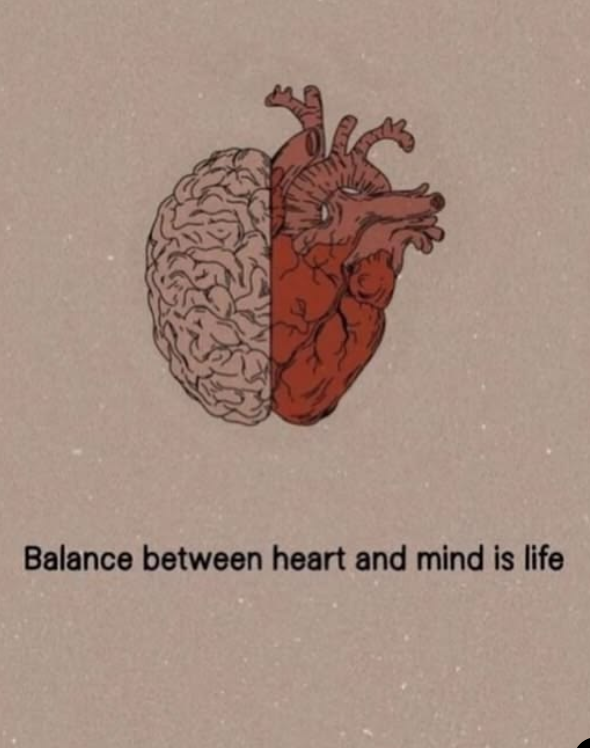
Separate your feels from your decisions

Some of the worst decisions I have made were not because I lacked brain or did not know better.They happened because, at that particular moment, I felt something too strongly I was angry so I wanted to send the message.i was hurt so I wanted to end everything I was lonely, so I wanted to go back I was afraid, so I wanted to reject an opportunity I actually wanted.
The problem with feelings is not that they are irrational or unnecessary. Feelings often tell us something important..Anger can tell us that a boundary has been crossed. Fear can warn us about danger. Sadness can warn us about danger. Sadness can show is what we have lost. Guilt can make us question our actions.
I learned this through an argument with someone close to me .I felt misunderstood, and the more I replayed the conversation in my head, the angrier I become. Within an hour. I had written a long message explaining everything they had done wrong it was detailed emotional and completely ready to destroy whatever peace remained between us.
My thumb was hovering over the send button. I wanted them to feel exactly what I was feeling. I wanted them to read every sentence and finally understand how much they had hurt me . But I stopped.
Not because I suddenly became less angry, I was still furious. I simply asked myself one question: what do I want to happen after this message is sent?.
That question changed everything. Did I actually want to solve the problem, or did I just want to win it? Did I want to communicate, or did I want to hurt them back?. The next day, I read the message again. Some parts were vaild, but others existed only because I wanted to make them feel guilty, of I had sent it. I would have had to deal with the consequences of a temporary emotion long after that emotion had passed.
So I rewrote it. I still expressed what hurt me. I still disagreed . But I removed the sentences that existed only tobwound.. That experience taught me the difference between feeling something and obeying it
You can love someone and still know that being with them is wrong for you. You can miss someone and still choose not to contact them.vYou can feel guilty and still say no. You can be terrified and still accept an opportunity, you can be angry and still waiting before responding.
Separating feelings from decision does not mean becoming cold or pretending emotions do not exist it means giving them a seat in the room without handing them complete control. Feel thevanger, sadness,, and loneliness, but before making a decision, give yourself enough distance to ask what your future self will have to live with. You do not have to stop feeling deeply. You just have to stop letting every feeling decide where your life goes next.